
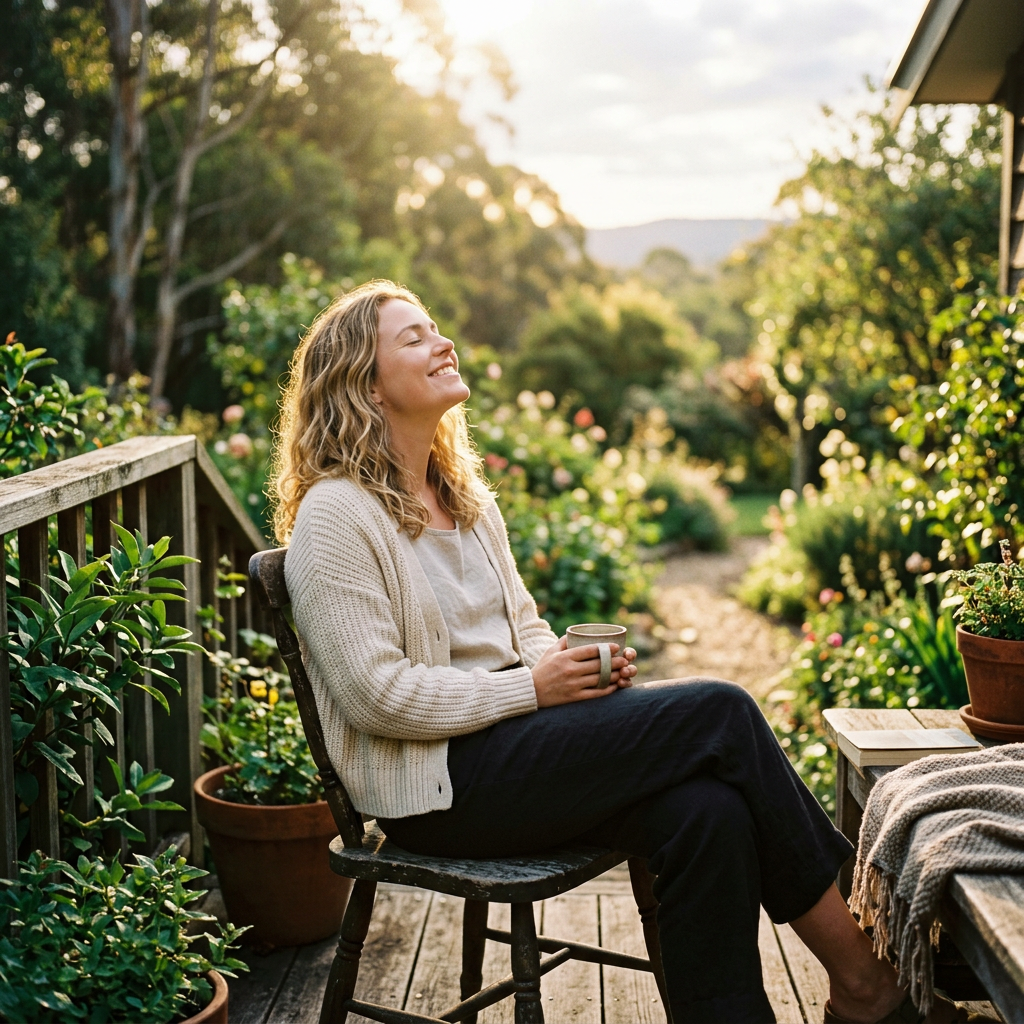
In a world filled with wellness trends, supplements, and complicated routines, one of the most powerful health tools is completely free: morning sunlight.
Spending time outside in natural light shortly after waking can have a profound impact on physical health, mental well-being, sleep quality, energy levels, and even hormone balance. While it may seem simple, exposure to early morning sunlight plays a critical role in regulating the body’s internal clock and supporting overall wellness.
Morning Sunlight Helps Regulate Your Circadian Rhythm
The body operates on a natural 24-hour cycle known as the circadian rhythm. This internal clock helps regulate sleep, energy, metabolism, hormone production, and mood.
Morning sunlight acts as one of the strongest signals to the brain that it is time to wake up and be alert. When sunlight enters the eyes in the early part of the day, it helps regulate the production of important hormones like cortisol and melatonin.
Healthy cortisol release in the morning supports energy and focus, while proper melatonin production later in the evening promotes deeper and more restorative sleep.
People who consistently get morning sunlight often experience:
- Better sleep quality
- Easier time falling asleep at night
- Improved daytime energy
- More consistent sleep-wake cycles
Supports Mental Health and Mood
Natural light exposure has been linked to improved mood and emotional well-being. Morning sunlight may help increase serotonin production, a neurotransmitter associated with feelings of happiness and calmness.
Lack of sunlight exposure, especially during darker months, has also been associated with seasonal mood changes and low energy levels. Spending even a short amount of time outdoors in the morning can help support emotional balance and reduce feelings of stress and sluggishness.
Boosts Energy Naturally
Many people rely heavily on caffeine to feel awake, but morning sunlight can naturally help increase alertness and energy levels.
Exposure to bright natural light early in the day signals the brain to reduce melatonin — the hormone responsible for sleepiness — helping the body feel more awake and energized without overstimulation.
This natural energy boost can improve productivity, focus, and mental clarity throughout the day.
Encourages Healthy Movement and Outdoor Time
Morning sunlight often encourages additional healthy habits. A short walk outside, stretching on the porch, or simply drinking coffee outdoors can help increase physical activity, reduce screen time, and create a calmer start to the day.
These small moments of connection with nature may also help lower stress levels and improve overall mental well-being.
Vitamin D and Immune Support
Sunlight exposure also contributes to the body’s production of vitamin D, an essential nutrient involved in immune function, bone health, and inflammation regulation.
While factors such as season, location, skin tone, and sunscreen use affect vitamin D production, safe and moderate sunlight exposure can be a helpful part of maintaining healthy levels.
Simple Ways to Get More Morning Sunlight
Incorporating morning sunlight into your routine does not have to be complicated. Try:
- Taking a 10–20 minute walk shortly after waking
- Drinking your morning coffee or tea outside
- Opening blinds and curtains immediately upon waking
- Exercising outdoors in the morning
- Sitting on a porch, balcony, or near natural light before starting work
Even a few minutes of natural light exposure can make a difference.
A Simple Wellness Habit With Lasting Benefits
Good health is often built through consistent daily habits rather than extreme measures. Morning sunlight is one of the simplest and most effective ways to support sleep, energy, mood, and overall wellness naturally.
Sometimes the best medicine is simply stepping outside and letting the day begin with light.
Resources:
- Sleep Foundation — Information on how natural light influences sleep and circadian rhythms.
- Harvard Medical School — Research and education on light exposure and health.
- Cleveland Clinic — Circadian rhythms disorders
- Springer Nature — Effects of light on human circadian rhythms, sleep and mood
- Mayo Clinic — Information on sunlight, mood, and seasonal emotional health.
 Dr. Meri Rosco
Leave a comment