
For years, women have been told that harder workouts lead to better results. High-intensity interval training (HIIT), long cardio sessions, and intense exercise programs have often been promoted as the key to weight loss and fitness. But for many women in perimenopause and menopause, these types of workouts may actually work against the body rather than support it.
As hormone levels shift during midlife, the body’s stress response, recovery needs, metabolism, and energy systems change. While movement remains incredibly important during this stage of life, more intensity is not always better.
Hormonal Changes Affect the Stress Response
During perimenopause and menopause, estrogen and progesterone levels fluctuate and eventually decline. These hormonal changes can affect sleep, mood, metabolism, recovery, and how the body handles stress.
Intense workouts like HIIT and prolonged cardio sessions place significant stress on the body by increasing cortisol, the primary stress hormone. While short-term cortisol increases are normal during exercise, chronically elevated cortisol may contribute to:
- Fatigue
- Increased belly fat storage
- Sleep disturbances
- Increased inflammation
- Mood swings or anxiety
- Slower recovery
Many women in perimenopause are already experiencing higher levels of physiological stress from hormonal fluctuations, poor sleep, and busy lifestyles. Adding excessive high-intensity exercise can sometimes overwhelm the nervous system rather than support health.
Recovery Becomes More Important With Age
As the body ages, recovery needs change. Women in menopause may notice they no longer bounce back from intense workouts the way they once did.
Overtraining can lead to:
- Persistent soreness
- Increased fatigue
- Joint pain
- Sleep disruption
- Burnout
- Reduced motivation to exercise
Instead of pushing harder, many women benefit more from workouts that support strength, mobility, cardiovascular health, and nervous system balance without placing excessive strain on the body.
Too Much Cardio Can Impact Muscle Health
One of the most important priorities during menopause is maintaining muscle mass and bone density. Declining estrogen levels naturally increase the risk of muscle loss and osteoporosis.
Excessive cardio without adequate strength training may contribute to muscle breakdown, especially if the body is under-fueled or chronically stressed. Preserving muscle becomes essential not only for metabolism, but also for longevity, balance, and overall quality of life.
This is why many health professionals now emphasize resistance training as one of the most beneficial forms of exercise during menopause.
Gentle and Supportive Movement Can Be More Effective
This does not mean women in perimenopause or menopause should avoid exercise. In fact, regular movement is one of the best tools for supporting healthy aging, hormone balance, mood, and metabolic health.
The key is choosing movement that works with the body rather than against it.
Helpful forms of exercise during this stage may include:
- Strength training
- Walking
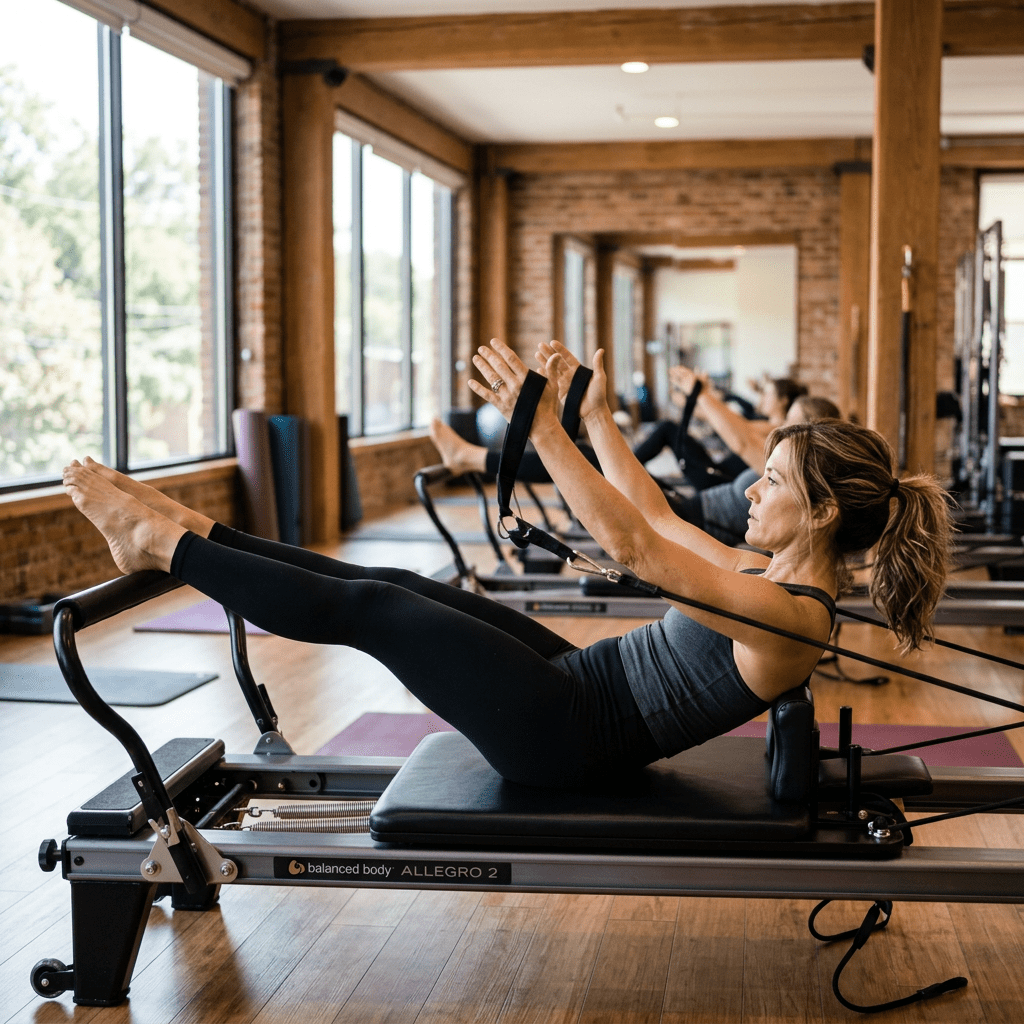
- Pilates
- Yoga
- Hiking
- Cycling at moderate intensity
- Mobility and flexibility work
- Low-impact interval training
- Functional movement exercises
Some women may still tolerate and enjoy occasional HIIT workouts, especially if recovery, nutrition, and sleep are well supported. The goal is not to eliminate intensity entirely, but to avoid chronic overexertion.
Listening to the Body Matters
One of the most important wellness shifts during midlife is learning to listen to the body’s signals rather than following rigid fitness trends.
Signs a workout routine may be too intense include:
- Feeling exhausted instead of energized
- Trouble sleeping after workouts
- Increased cravings
- Hormonal symptoms worsening
- Frequent injuries or soreness
- Feeling “wired but tired”
- Plateaued weight loss despite increased exercise
For many women, reducing workout intensity and prioritizing recovery can actually improve energy, body composition, and overall well-being.
Wellness in Midlife Looks Different
Perimenopause and menopause are not a sign to stop moving — they are an invitation to move differently and more intentionally.
This stage of life often requires a shift away from punishing workouts and toward sustainable movement that supports hormones, muscle health, stress reduction, and longevity.
Sometimes the healthiest thing a woman can do is stop fighting her body and start supporting it.
Resources:
- North American Menopause Society — Information on exercise recommendations during midlife and menopause.
- Mayo Clinic — Guidance on exercise, aging, and overall wellness.
- Cleveland Clinic — Insights into fitness and menopause health.
- National Institute on Aging — Resources on healthy movement and aging.
- Harvard Health Publishing — Research and education on exercise during menopause.
 Dr. Meri Rosco
Leave a comment